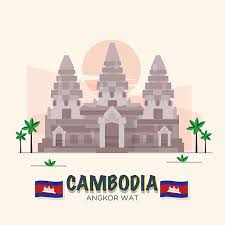

Localization for the Khmer language (the official language of Cambodia) presents unique challenges, especially due to its distinct script, cultural nuances, and local context. To successfully localize content for a Khmer-speaking audience, it's essential to address both the technical and cultural aspects of the language and region. Here are 4 key elements that are crucial for a successful Khmer localization project:
1. Accurate and Culturally Relevant Translation
Key Considerations:
- Script Complexity: Khmer uses a unique script that is distinct from Latin-based languages. The script has its own characters and system of writing, which is more complex than other Southeast Asian languages. Translators must be proficient in the Khmer script to ensure that text appears correctly on all devices and platforms.
- Cultural Sensitivity: Khmer has its own set of cultural norms and sensitivities. What may work in one region might not be suitable for Cambodia. It’s crucial that localized content aligns with Cambodian cultural values, customs, and taboos.
- Idiomatic Expressions: Khmer has its own idiomatic expressions and proverbs. Translators must not only be accurate but also culturally adaptive, ensuring the translated content feels natural to native Khmer speakers.
Best Practices:
- Work with Native Khmer Translators: Ideally, hire native translators with expertise in your specific industry (e.g., technology, marketing, legal, etc.). They will understand the nuances of the language and how to adapt content to suit local preferences.
- Contextual Translation: Avoid direct translations or machine translations without a review. Ensure the meaning and tone of the original content are preserved in a culturally appropriate way.
2. Proper Formatting for Khmer Script
Key Considerations:
- Font Support and Legibility: The Khmer script requires specific fonts for proper display. It's important to ensure that the fonts used are supported by the platform (web, mobile, or print). Some fonts may have issues with certain characters or might not render correctly on different devices.
- Right-to-Left (RTL) Text: While Khmer is a left-to-right language, localization projects often require attention to how text is laid out and how line breaks occur. This is especially relevant for digital content, where text wrapping and alignment are critical to ensuring content displays correctly.
- Character Encoding: Special characters, ligatures, and diacritical marks are common in Khmer script, so it’s essential to ensure that the encoding system (UTF-8, for example) is properly implemented to avoid display issues.
Best Practices:
- Test Across Multiple Platforms: Perform extensive testing on different devices, browsers, and operating systems to ensure Khmer text displays correctly. This includes web pages, mobile apps, and software interfaces.
- Use Khmer-Specific Fonts: Select fonts specifically designed for the Khmer script, ensuring they are legible and widely supported on various platforms.
3. Cultural and Legal Adaptation
Key Considerations:
- Date and Time Formats: Cambodia uses the Gregorian calendar, but the local format for dates and times may differ from other regions. Typically, Khmer dates follow the Day-Month-Year format, and understanding local conventions for representing time (12-hour vs. 24-hour format) is crucial.
- Currency: Cambodia uses the Cambodian Riel (KHR) as its official currency, although US dollars are widely used in daily transactions. Localizing price formats (e.g., including both riel and USD or focusing on one based on the target audience) will improve user experience.
- Images and Graphics: Ensure that images, colors, and symbols are culturally appropriate. For example, the color red may symbolize different things in Cambodia than in other regions (e.g., it may be associated with celebrations, but also with warnings). Be mindful of the religious and historical context of imagery (e.g., Buddhist symbols or references to the Khmer Rouge era).
- Legal Requirements: Depending on the product or service, certain regulations may apply. For example, in e-commerce or finance, you may need to localize terms of service, privacy policies, or disclaimers to comply with local laws.
Best Practices:
- Consult Local Experts: Work with cultural consultants or native Khmer speakers who are familiar with legal, social, and cultural specifics to ensure your content is properly adapted.
- Review the Tone and Sensitivity of Content: Ensure that the language and content resonate with Khmer-speaking audiences in a respectful and relevant manner. Avoid terms or images that could be seen as inappropriate or insensitive.
4. Localization Testing and Quality Assurance (QA)
Key Considerations:
- Functional Testing: After translation, it’s essential to ensure that the localized content functions as intended. This includes verifying that the Khmer script displays properly in the UI, text does not overflow UI elements, and links/buttons work correctly.
- Linguistic Testing: Native speakers should review the translation for accuracy, fluency, and cultural relevance. Errors in translation or phrasing can negatively impact the user experience.
- User Experience (UX) Testing: Consider how localized content affects the overall user experience. This includes testing the localization in the real-world environment to ensure it's accessible, intuitive, and engaging for Khmer speakers.
Best Practices:
- Involve Native Reviewers in QA: Always involve native Khmer speakers in the testing process. They can catch nuances and errors that may be missed by non-native testers.
- Iterative Testing: Localization should be tested iteratively, especially when multiple versions or frequent updates are being released. Test the localized product after each update to ensure that no issues arise and the content remains accurate and relevant.
Conclusion
A successful Khmer localization project requires careful attention to the language, formatting, cultural relevance, and testing throughout the process. By focusing on these four key elements—accurate translation, proper formatting, cultural and legal adaptation, and rigorous quality assurance—companies can ensure that their products resonate with the Khmer-speaking audience and provide a seamless, engaging experience.
Working with local experts, using the right tools, and engaging in thorough testing are essential steps to making sure that the final localized product is not only linguistically accurate but also culturally and contextually appropriate for users in Cambodia.