
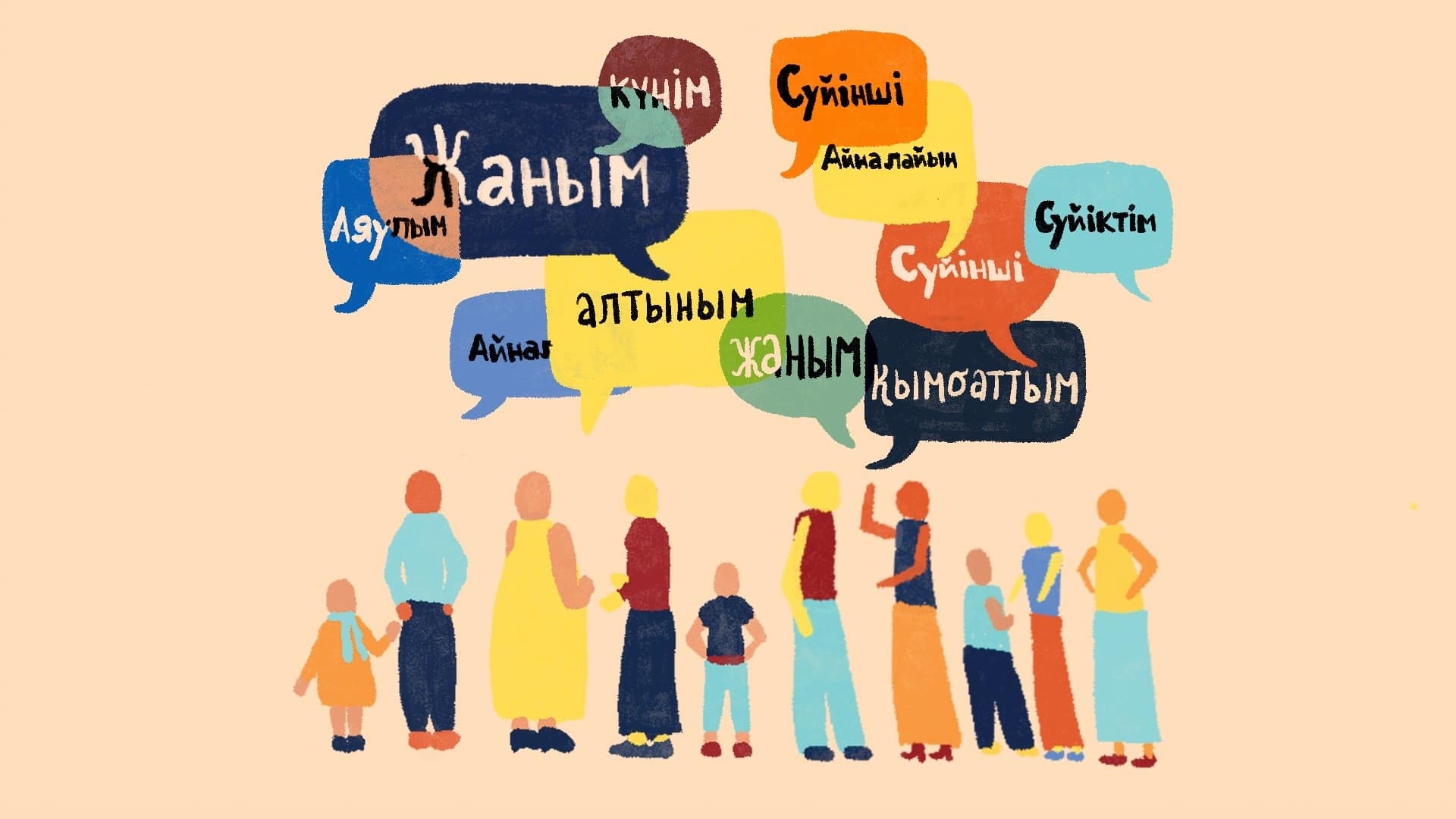

Language is deeply connected to culture in many ways, serving as both a reflection of and a means to transmit cultural values, traditions, and practices. Here are several ways in which language and culture are interlinked:
1. Cultural Identity and Heritage
- Language is a vital component of cultural identity. It carries the history, values, and customs of a particular group of people. The words and expressions used in a language often reveal how people perceive the world around them, their relationships, and their way of life. For example, some languages have unique terms for social roles, family structures, or spiritual beliefs that reflect specific cultural practices.
- Example: In many Indigenous languages, there are specific words for family members that reflect their roles and significance within the community, highlighting the importance of family and kinship in their culture.
2. Transmission of Traditions and Knowledge
- Language is the primary vehicle for passing down stories, legends, myths, and oral traditions, which are key elements of a culture’s heritage. In many societies, elders teach younger generations about their history, customs, and rituals through language. Without a common language, cultural practices and knowledge may be lost.
- Example: Indigenous tribes around the world use their languages to pass down important survival knowledge, such as traditional medicine, agricultural techniques, and spiritual beliefs.
3. Worldview and Thought Process
- Language shapes the way people think and perceive the world, which is often referred to as the Sapir-Whorf hypothesis or linguistic relativity. The structure and vocabulary of a language can influence how individuals understand concepts like time, space, emotions, and relationships. This is a reflection of how different cultures prioritize certain aspects of life.
- Example: Some languages, like Hopi (a Native American language), do not have a grammatical tense system like English. This linguistic feature affects how speakers conceptualize time and its passage.
4. Cultural Norms and Social Behavior
- Language reflects social structures, norms, and values within a culture. The way people address each other, use formal or informal speech, and express politeness can indicate respect, hierarchy, and cultural customs.
- Example: In Japanese, the use of honorifics is a significant part of daily conversation, where the language changes depending on the social status of the person being addressed. This reflects the importance of respect and hierarchy in Japanese culture.
5. Expression of Emotions and Relationships
- The way emotions and relationships are expressed can differ greatly across languages and cultures. Different languages often have unique words or expressions to describe complex emotional states or interpersonal relationships that do not have direct translations in other languages.
- Example: In Portuguese, the word "saudade" describes a deep, nostalgic longing for something or someone that is absent, which is tied to Portuguese culture's emphasis on longing and melancholy.
6. Cultural Change and Adaptation
- As cultures evolve, so does their language. New words and expressions emerge as a result of cultural exchanges, globalization, and technological advancements. Language adapts to reflect changes in society, while also helping to preserve traditional practices.
- Example: The rise of the internet and social media has led to the creation of new slang terms and communication styles that reflect the modern, globalized way of life.
7. Ceremonial and Spiritual Practices
- Language plays an integral role in ceremonial, religious, and spiritual practices. Rituals, prayers, chants, and sacred texts are often written or spoken in specific languages that hold deep cultural and spiritual significance.
- Example: In Sanskrit, many Hindu prayers and scriptures are recited. The language is not only a means of communication but also a part of the spiritual practice, believed to have a sacred and purifying power.
8. Cultural Barriers and Linguistic Diversity
- The diversity of languages can both connect and divide cultures. While language can be a unifying force within a culture, it can also create barriers between different groups. Language preservation and revitalization are critical to maintaining cultural diversity in the face of globalization and the dominance of certain languages.
- Example: Many Indigenous languages are endangered because younger generations are shifting to dominant languages like Spanish or English, which can lead to the erosion of cultural practices tied to those languages.
9. Language as a Cultural Marker
- Language can serve as a way to distinguish between cultures. Regional dialects, accents, and even specific phrases or idioms can indicate someone's geographic or cultural origin.
- Example: The different ways British English, American English, and Australian English are spoken highlight regional cultural nuances and historical influences.
Conclusion:
In essence, language is not just a tool for communication; it is the medium through which culture is expressed, experienced, and passed down through generations. The relationship between language and culture is dynamic and complex, with language both shaping and reflecting the cultural practices, values, and identities of a group of people.