
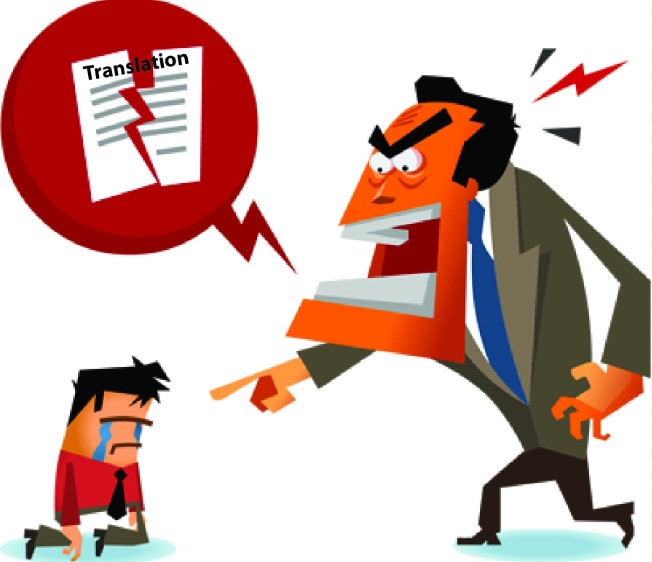

Receiving negative feedback on your translation work can be challenging, but it’s also an opportunity for growth. Here are some steps to effectively deal with negative translation feedback:
1. Stay Calm and Professional
- Why It’s Important: Negative feedback can feel personal, but it’s essential to stay calm and approach the situation with professionalism. Responding emotionally or defensively may harm your relationship with the client and hinder the resolution process.
- How to Do It: Take a moment to process the feedback before responding. Approach it with an open mind, and remind yourself that constructive criticism is part of the learning process. Respond politely and professionally, thanking the client for their feedback.
2. Carefully Review the Feedback
- Why It’s Important: Before addressing the feedback, take time to thoroughly understand what the client is pointing out. Is it an issue of terminology, tone, context, or accuracy? Understanding the root cause will help you respond more effectively.
- How to Do It: Read through the feedback carefully, and identify specific points of concern. If necessary, ask the client for more details or clarification. Sometimes, the issue could be a misunderstanding or a small error that can be easily corrected.
3. Analyze the Mistakes Objectively
- Why It’s Important: Look at the feedback from a neutral perspective to see if there were genuine errors on your part. Identifying areas of improvement can help you grow as a translator and avoid repeating the same mistakes.
- How to Do It: Go over your translation again and compare it with the feedback. Is there an area where you misinterpreted the source text? Did you overlook the client’s preferences or specific instructions? Be objective in assessing whether the critique is valid and where you can improve.
4. Clarify and Seek Understanding
- Why It’s Important: If the feedback isn’t clear or seems unjustified, it’s important to seek clarification. Sometimes clients may not fully understand the translation process or have unreasonable expectations.
- How to Do It: Politely ask the client for more specifics on the issues they raised. Ask for examples of how the translation could be improved or which particular parts caused confusion. Open dialogue can lead to better mutual understanding.
5. Correct and Offer a Solution
- Why It’s Important: Taking the initiative to correct any issues shows professionalism and your commitment to delivering high-quality work. Addressing the feedback constructively will help maintain a positive relationship with the client.
- How to Do It: If you agree with the feedback, make the necessary corrections and send the revised translation to the client as soon as possible. Include a brief note explaining the changes you've made. If you disagree, kindly explain your reasoning and provide evidence or references to support your choices.
6. Learn from the Experience
- Why It’s Important: Negative feedback is an opportunity to learn and refine your skills. Even if you don’t agree with every comment, try to identify areas where you can improve your work in the future.
- How to Do It: Reflect on the feedback and use it as a stepping stone to improve. Whether it’s refining your terminology, adjusting your writing style, or honing your attention to detail, continuous improvement is key to growing as a translator.
7. Build a Positive Relationship with the Client
- Why It’s Important: Negative feedback, if handled well, can help strengthen your relationship with the client by showing that you value their input and are willing to work together to improve the final product.
- How to Do It: After addressing the feedback, express your gratitude to the client for providing constructive criticism. Reinforce your commitment to delivering the best possible work and invite further feedback to improve your service.
Negative feedback is an inevitable part of any profession, including translation. By staying calm, reviewing the feedback objectively, clarifying misunderstandings, making corrections, and learning from the experience, you can handle negative feedback professionally. Ultimately, using criticism as a tool for growth can help improve your translation skills and build stronger, more positive client relationships.