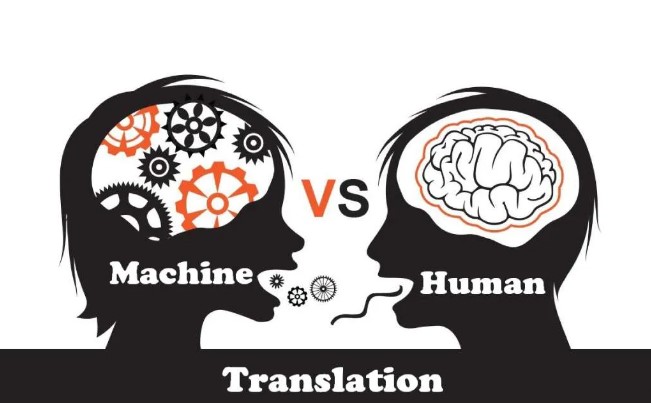

Fair Trade Human Translation is a model that emphasizes ethical standards and fair compensation for translators while providing high-quality, accurate translations for clients. It aligns with the broader principles of fair trade, which focus on fairness, transparency, and respect for workers' rights. Here’s everything you need to know about Fair Trade Human Translation:
1. What is Fair Trade Human Translation?
Fair Trade Human Translation refers to a translation service model where the translators are paid fairly, work under ethical conditions, and are treated with respect. This model seeks to address common issues in the translation industry, such as low pay, poor working conditions, and the exploitation of freelance translators. It’s a movement that aims to ensure translators are compensated for their expertise while maintaining high standards of quality.
2. Core Principles of Fair Trade Human Translation
- Fair Compensation: Translators are paid appropriately for their skills and work. This includes competitive rates that reflect the complexity of the translation task, the languages involved, and the subject matter.
- Ethical Practices: The translation process follows ethical standards, including respect for intellectual property, privacy, and confidentiality. Translators are treated as professionals and not exploited for their services.
- Transparency: Both clients and translators are kept informed throughout the translation process. This includes clear communication regarding deadlines, pricing, and expectations.
- Sustainability: Fair Trade Human Translation encourages long-term partnerships and supports the sustainability of the translation profession by promoting continuous education and development opportunities for translators.
- Respect for Local Communities: Like traditional Fair Trade models in other industries, Fair Trade Human Translation can support local communities by encouraging business with translation agencies that prioritize socially responsible practices, such as supporting freelance translators from diverse regions.
3. Why is Fair Trade Human Translation Important?
- Improves Translator Working Conditions: Translators often face pressures like tight deadlines, low rates, and exploitation, especially in a largely freelance industry. Fair Trade practices ensure that translators are respected and compensated fairly.
- Ensures High-Quality Translations: By paying fair rates, Fair Trade Human Translation ensures that skilled and experienced translators are assigned to projects, leading to high-quality work. These translators are incentivized to invest time and effort into producing accurate, culturally sensitive translations.
- Encourages Transparency and Accountability: Fair Trade principles foster transparency in pricing and communication, reducing the likelihood of hidden fees or miscommunication. Both translators and clients know exactly what to expect throughout the project.
- Supports Social Responsibility: Fair Trade Human Translation aligns with ethical and social values, promoting practices that benefit communities and encourage environmentally sustainable business models.
4. How to Find Fair Trade Human Translation Services
When looking for Fair Trade Human Translation services, consider these steps:
- Look for Certification: Some organizations may certify translation services as Fair Trade. Check for any certifications or standards that align with fair labor practices, such as Ethical Translation or similar initiatives.
- Research Translation Agencies: Some translation agencies or platforms emphasize fair wages and ethical treatment for their translators. Look for agencies that have clear policies on fair compensation and transparency.
- Freelance Networks: There are freelance translation networks or platforms that promote fair rates for translators. These platforms focus on connecting skilled translators with clients willing to pay fair wages for high-quality work.
- Direct Communication with Translators: If you are hiring a translator directly, be sure to discuss and agree upon terms that ensure fair compensation. This includes negotiating rates that reflect the complexity of the task and the amount of work involved.
5. Benefits of Fair Trade Human Translation for Clients
- Consistency and Quality: Clients can expect consistent, high-quality translations because translators are given the time and compensation needed to focus on accuracy and precision.
- Cultural Sensitivity: Fair Trade translators are likely to be more attuned to cultural nuances because they work in environments that respect their professional expertise and time.
- Long-Term Relationships: Clients who engage in Fair Trade Human Translation often develop long-term relationships with translators, resulting in a better understanding of their business needs and improved service over time.
- Ethical Marketing: Using Fair Trade services can enhance a company’s image, positioning them as a socially responsible business that values ethical practices.
6. Challenges of Fair Trade Human Translation
While Fair Trade Human Translation has many advantages, there are also some challenges:
- Higher Costs: Fair compensation for translators often results in higher rates compared to traditional translation services that might prioritize cost over fairness. Clients must weigh the benefits of ethical practices against potential budget constraints.
- Market Awareness: Not all clients or translators are familiar with Fair Trade practices in translation. Spreading awareness about the importance of these practices is necessary for their broader adoption.
- Lack of Standardization: There is currently no universal certification or governing body for Fair Trade Human Translation, which can lead to inconsistencies in how these services are offered and recognized.
7. How to Support Fair Trade Human Translation
- Choose Ethical Providers: As a client, make conscious decisions to hire translation agencies or freelance translators that follow Fair Trade practices. Research their pricing, working conditions, and transparency.
- Advocate for Fair Wages: Advocate for fair pay in the translation industry. Support campaigns that raise awareness about the importance of compensating translators fairly.
- Promote Education and Training: Support initiatives that provide educational resources and training for translators, ensuring they have the skills necessary to command fair wages for their work.
Conclusion:
Fair Trade Human Translation is an emerging model in the translation industry, focusing on the ethical treatment and fair compensation of translators. By supporting these practices, clients can ensure high-quality translations while promoting sustainability and social responsibility. Though there are challenges, including higher costs, the benefits for both translators and clients are clear in terms of quality, fairness, and long-term relationships.